
Walk into any building, and you’ll make a judgment within seconds.
You won’t announce it. You probably won’t even realise you’ve made it. But your brain will quietly file the space as fresh, neutral, stale, or slightly uncomfortable.
In commercial environments, that silent judgment matters.
For cleaning companies, facilities managers, hospitality operators, and healthcare administrators, scent isn’t about creating a “beautiful fragrance experience.” It’s about reinforcing the feeling that the space is clean, controlled, and professionally run.
When it’s done well, no one talks about it.
When it’s done poorly, everyone does.
Scent Is Operational — Not Cosmetic
One of the biggest mindset shifts is this: room scent solutions are not decorative extras. They sit in the same operational category as soap dispensers, paper towel systems, and bin liners.
They require:
The right equipment,
Consistent servicing,
Realistic scheduling,
And sensible placement.
Where businesses run into trouble is when scent is treated like a one-time purchase rather than a small system that needs structure.
Because, unlike soap or paper towels, fragrance can backfire. If it’s too strong, it feels like something is being hidden. If it’s inconsistent, it signals neglect. If it runs out, people notice the shift immediately.
The goal isn’t “noticeable.” The goal is quietly effective.
The Three Environments That Drive Most Decisions
Before selecting anything, it helps to get specific about where the scent will actually be used. Most Australian commercial buildings fall into three predictable patterns.
1. Washrooms (The Non-Negotiable Zone)
Public and staff toilets are where scent solutions are most common — and most misunderstood.
Washrooms don’t need to smell like a perfume counter. They need to smell neutral, stable, and maintained.
A steady, low-output system almost always outperforms a high-intensity burst approach. Strong fragrance in a confined space tends to trigger more complaints than it prevents.
If odour persists despite scenting, that’s usually a cleaning or ventilation issue — not a fragrance problem.
2. Front-of-House & Public Areas
Reception areas, hotel corridors, waiting rooms, and shared lobbies require a lighter touch.
People spend more time here. They sit. They wait. They breathe slowly. What feels mild in a washroom can feel overwhelming in a reception lounge.
In these areas, the best outcome is when visitors can’t quite identify why the space feels fresh — they just know it does.
3. Back-of-House & Operational Spaces
Kitchens, staff rooms, storage areas, bin zones — this is where odours originate.
But scent is rarely the first solution here.
Food waste, drainage issues, and airflow gaps need operational fixes. Adding fragrance without addressing the source often creates that unmistakable “covering something up” effect.
The most stable approach is fix first, scent second.
Decision Factors That Actually Make or Break the Outcome
This is where experience tends to matter more than enthusiasm.
Choosing the right room scent setup isn’t about selecting a fragrance. It’s about matching equipment to how the building actually operates on a busy day.
1. Dispenser Format & Control
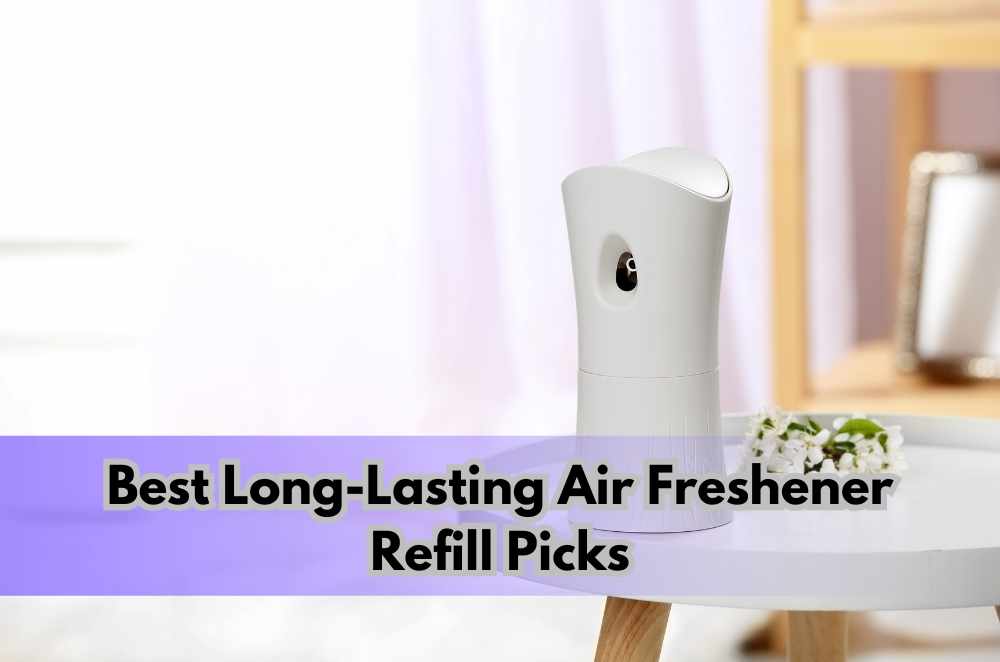
Automatic dispensers offer predictability. Manual systems rely on human memory — and memory is unreliable in high-traffic sites.
For businesses managing multiple facilities, reviewing a consolidated catalogue like the AC Cleaning Supplies room scent range can simplify standardisation across sites and reduce refill confusion.
The real benefit isn’t variety — it’s consistency.
2. Traffic Patterns
A site that peaks between 10 am and 1 pm may benefit from timed bursts.
A quiet medical centre may require steady, minimal output.
If the system doesn’t align with how the building is actually used, it will either underperform or overcompensate.
3. Airflow & Placement
This is where most issues begin.
Install a unit near an air return vent and the fragrance may concentrate.
Place it near a doorway, and people get hit with it immediately.
Mount it too lo,w and it becomes intrusive.
A practical rule: if someone can stand in one spot and clearly “smell the device,” it’s likely too strong or poorly positioned.
4. Servicing Reality
Be honest about maintenance cycles.
If a site is serviced fortnightly, the scent solution must support that timeline. If it needs weekly attention and doesn’t get it, performance drops quickly.
The most reliable systems are those designed around operational truth — not ideal scenarios.
5. Sensitivity Management
In Australia, shared commercial spaces often house mixed demographics: older visitors, young families, staff with sensitivities, medical environments, and hospitality guests.
In these contexts, subtlety always wins over boldness.
If there has ever been a fragrance complaint, that becomes a design constraint — not something to override.
Common Mistakes That Cause More Harm Than Good
Cranking Up Intensity to “Prove” Cleanliness
This is incredibly common.
A stronger scent does not equal a cleaner space. In fact, heavy fragrance can create suspicion. Subtle scent supports cleanliness; strong scent competes with it.
Choosing Based on Personal Preference
Procurement decisions driven by individual taste rarely align with building-wide tolerance.
Commercial scenting is about neutrality, not personality.
Over-Scenting Small Rooms
Compact washrooms or meeting rooms with low airflow amplify fragrance quickly.
Lower output is almost always safer.
Ignoring Refill Simplicity
Different sites using different refill types create logistical friction.
Standardisation reduces missed replacements and emergency ordering.
Not Defining Success
If no one defines what “working” looks like, adjustments become reactive.
Success might mean:
Fewer odour complaints,
No noticeable fragrance comments,
Consistent performance across sites.
Notice how none of those include “smells amazing.”
That’s deliberate.
Operator Experience Moment
Across commercial sites, the pattern is predictable: a new system goes in strong to make an impression. Complaints follow. Settings get reduced. Eventually, the unit gets ignored or switched off. What tends to hold up is the opposite approach — start low, observe during peak traffic, adjust gradually. The quieter the rollout, the longer it lasts.
A Practical 7–14 Day Rollout Plan
Days 1–2: Define Zones & Constraints
Identify scent zones. Note ventilation, traffic peaks, and any sensitivity history.
Write down where scent should not be used.
Days 3–5: Pilot Conservatively
Install in one or two representative areas.
Document placement and settings. Start at low intensity.
Days 6–9: Observe & Adjust
Collect feedback from cleaners, reception staff, or supervisors.
Adjust either placement or intensity — not both at once.
Days 10–14: Standardise
Roll out to similar zones once stable.
Add refill checks to the same schedule as washroom consumables.
If scent sits outside existing routines, it will eventually be forgotten.
Local SMB Mini-Walkthrough (Australia)
A mid-sized Brisbane medical centre has two public toilets, a reception area, and a small staff lunchroom.
The toilets experience steady daily traffic with peaks mid-morning.
Reception sees longer visitor dwell times.
The lunchroom generates food odours late afternoon.
The centre introduces a low-output system in tthe oilets first.
Reception remains neutral after a brief pilot showed even mild fragrance was noticeable.
The lunchroom improves bin scheduling before considering scent support.
The result isn’t dramatic — and that’s exactly the point.
Practical Opinions
Subtle fragrance is safer than strong fragrance in nearly every shared commercial space.
Standardisation reduces complaints more effectively than variety.
If servicing is inconsistent, simplify before you intensify.
Key Takeaways
Treat scent as an operational system, not a decorative feature.
Match dispenser type to traffic, ventilation, and servicing schedules.
Placement matters more than fragrance selection.
Start conservatively and adjust slowly.
Common questions we hear from Australian businesses
How strong should commercial fragrance be?
Usually, it should be just strong enough to neutralise odour without being consciously noticeable. The next step is to trial the lowest setting during peak hours and observe feedback. In many Australian commercial spaces with strong HVAC systems, airflow can amplify fragrance unexpectedly.
How often do refills need replacing?
It depends on traffic volume, operating hours, and dispenser format. A practical next step is to monitor one area over two refill cycles and set a fixed schedule based on usage patterns. In most Australian multi-site operations, aligning refills with regular cleaning visits improves consistency.
What if someone complains about scent sensitivity?
In most cases, reducing intensity or relocating the dispenser resolves the issue. The next step is to document the location and adjust incrementally rather than removing the entire system. In Australian mixed-use buildings, shared corridors and waiting areas tend to be the most sensitive zones.
Is fragrance a replacement for odour control?
Usually not. Fragrance supports a clean environment but does not fix underlying hygiene issues. The next step is to address the odour source first — such as bins, drains, or ventilation — before adjusting scent levels. In most Australian hospitality and healthcare environments, operational fixes combined with mild scenting produce the most stable outcome.

Write a comment ...